
Why We Chose SheepMaster
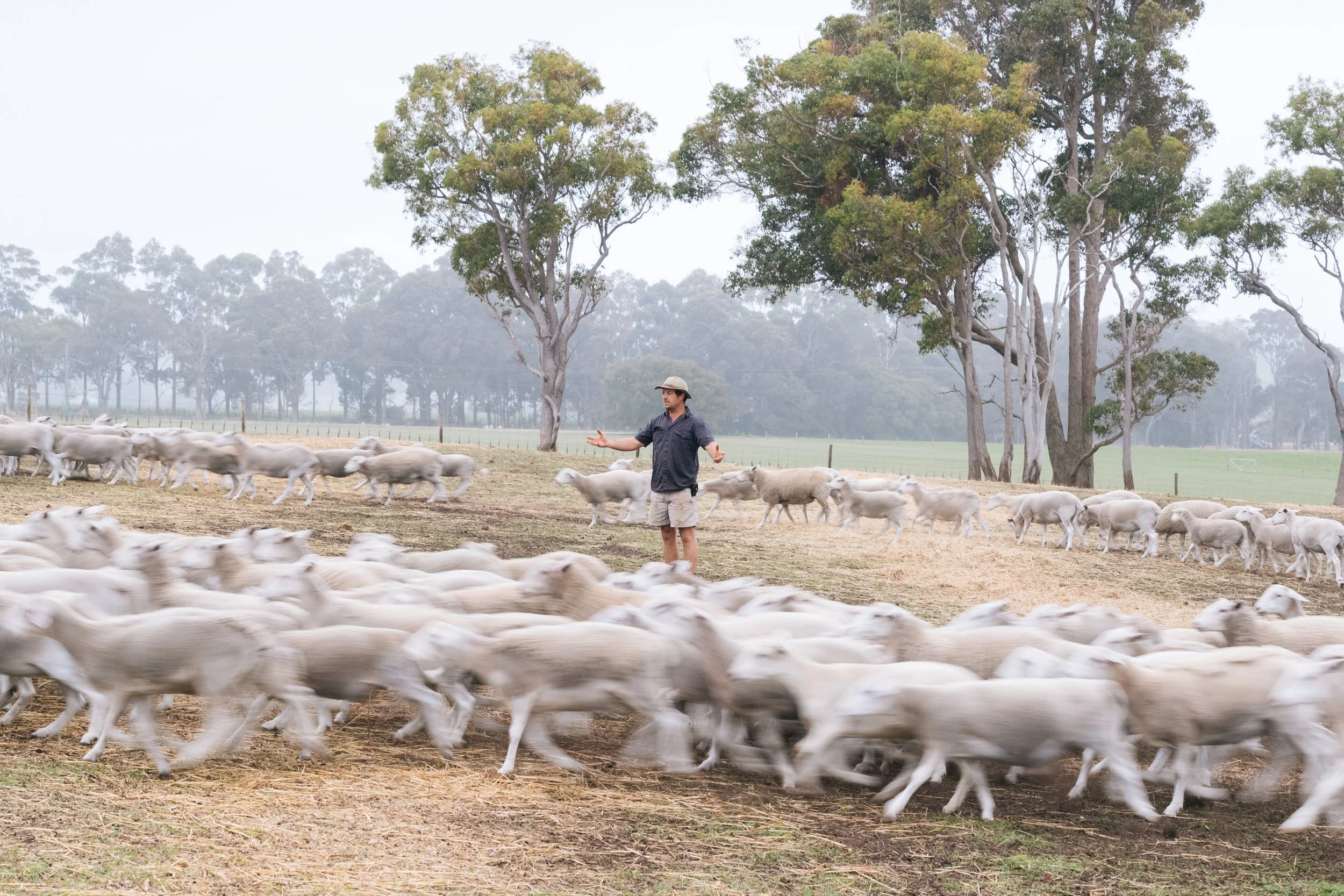
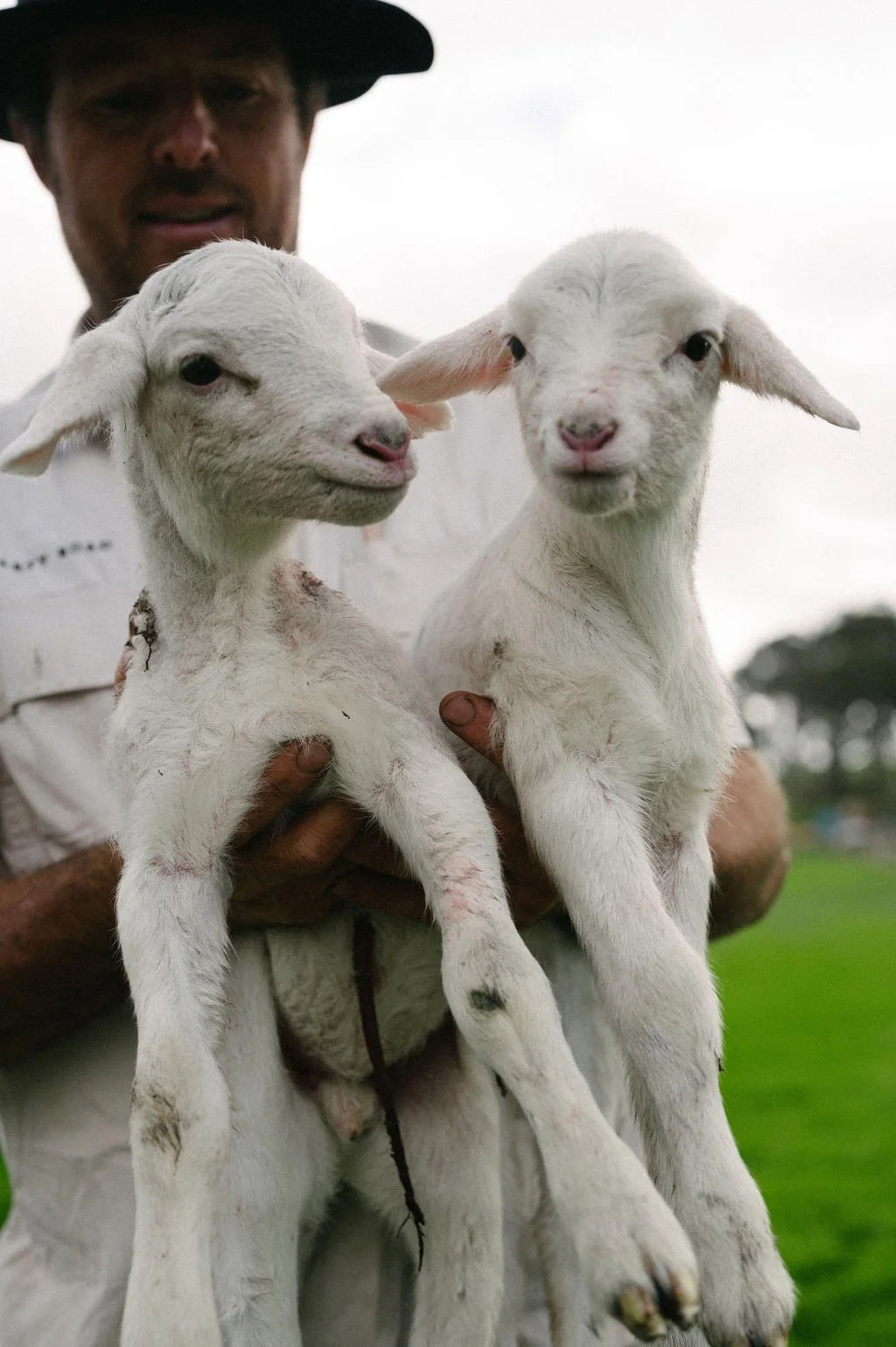
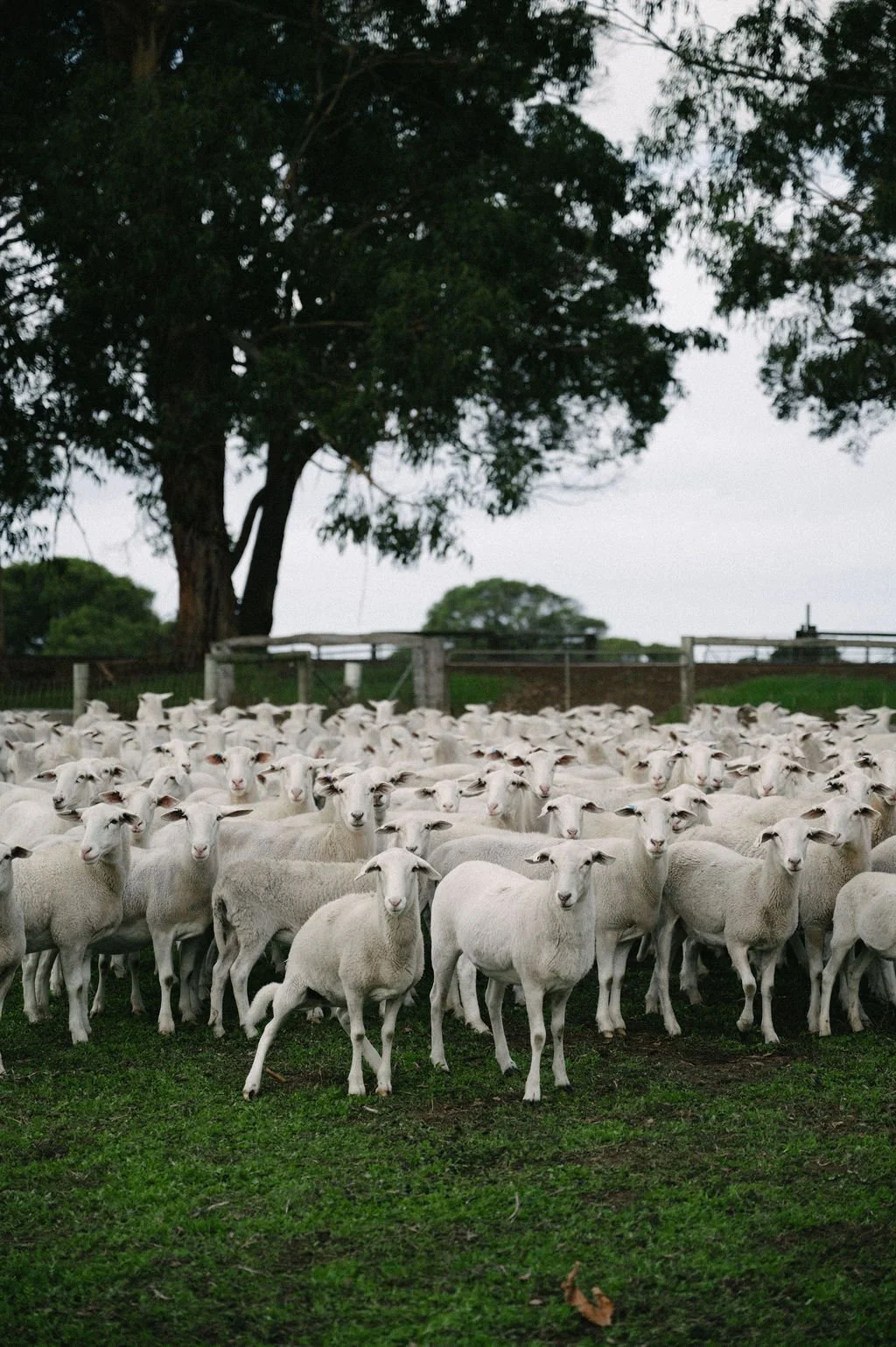
Long before Glenarty Road SheepMaster had a name, Ben was trying to work out how to build a viable sheep business without owning enough land to run one.
So he leased it.
At one point, that meant up to a dozen small farms scattered between Margaret River and Augusta. Some might carry 50 sheep. Others 300 or 350. Together, they created enough scale to make sheep farming worthwhile.
And, to a large extent, this is still how we farm today.
We are gradually bringing more of the flock closer to home, but fragmented land is part of the reality of farming in the Margaret River region. Unlike broadacre areas such as the Wheatbelt, where one farming business may operate across large, continuous holdings, farms here are often smaller, scattered and surrounded by vineyards, lifestyle properties, bush and holiday homes.
Building scale often means stitching those smaller pieces together.
Many of the properties we lease have no permanent sheep yards. Some have limited fencing or infrastructure. Many are owned by people who do not live there full time.
Every time sheep need to be handled, portable yards may need to be moved and set up. Drenching, drafting, weighing and shifting stock become much bigger jobs when the flock is spread across multiple properties.
That has shaped the way Ben thinks about sheep.
If an animal needs constant intervention, repeated handling or a complicated system around it, the labour quickly outweighs the value.
Fewer movements became normal. Less handling became desirable. Sheep needed to be able to get on with the job.
In many ways, that is where our preference for low-input sheep began.
Farming the land in return
The lease properties have never simply been about finding more hectares.
In many cases, the arrangement works because it benefits both sides.
Ben gains access to pasture. The landowner gains someone actively managing the property.
Sheep keep grass loads down and help reduce fire risk. Paddocks are grazed rather than left overgrown. Fences, water points and access are monitored. Pastures can be managed with a longer view toward soil cover, fertility and the health of the land.
For owners who are not living on the property permanently, livestock can turn an under-managed block into a cared-for landscape.
The relationship is simple: the sheep need to add value to the land, not just occupy it.
That philosophy has stayed with us.
Whether they are grazing a leased block, moving through the vineyard or cycling nutrients back into the soil at Glenarty Road, livestock need to contribute to the whole system.
Why shedding sheep made sense
As the flock grew, wool sheep became harder to justify within that model.
Shearing adds another major handling event. Crutching adds another. Flystrike risk creates more monitoring and intervention. Wool has value, but it also creates labour, cost and dependence on contractors.
For a flock spread across multiple small farms, simplicity mattered.
A sheep that could shed its own fleece immediately removed a layer of complexity.
But shedding alone was never enough.
We still needed sheep that could grow well, reproduce reliably, raise lambs, hold condition and produce lamb of consistent quality.
The goal was not to remove work at the expense of productivity.
It was to remove unnecessary work.
That distinction matters.
Finding SheepMaster
SheepMaster genetics appealed because they aligned with what Ben was already trying to achieve.
A clean-shedding sheep.
Strong maternal ability.
Early maturity.
Fertility.
Good growth, structuctre and eating quality we value.
And an animal capable of performing within a lower-input farming system.
Rather than adapting our farm to suit the sheep, we could keep selecting sheep that suited the way we wanted to farm.
That began a breeding direction we have now been pursuing for more than a decade.
Over time, SheepMaster genetics became increasingly central to the flock, with selection continuing here at Glenarty Road for the traits that matter in our conditions and our farming system.
The Glenarty Road standard
Today, we are not breeding sheep simply because they carry SheepMaster genetics.
We are breeding toward our own standard within them.
We want sheep that are structurally sound and easy moving.
Sheep that shed cleanly.
Ewes that conceive, lamb and rear young without unnecessary intervention.
Animals that mature early and make efficient use of pasture.
Sheep with enough depth, width and hindquarter to produce lamb if consistent quality.
Temperament matters too.
If a flock is difficult to move or handle, that cost shows up in labour, stress and time.
The best sheep, for us, are the ones that quietly do their job.
A flock shaped by this place
The way we farm sheep has been shaped as much by this region as by the animals themselves.
Margaret River is not a broadacre farming landscape. It is a patchwork of vineyards, grazing blocks, bush, lifestyle properties and smaller farms.
So our sheep enterprise has had to be flexible.
We still move sheep between properties. We still use leased land. We still rely on animals that can perform with fewer handling events and less infrastructure.
We are getting closer to farming more of the flock around home, but we are not trying to erase the system that built the enterprise in the first place.
Those scattered paddocks taught us what kind of sheep work here.
A profitable sheep enterprise is not simply about owning more land or running more animals.
It is about how much each animal asks of the system around it, and how much it gives back.
That is why we chose SheepMaster.
And it is why we continue to select for sheep that can do more, with less.